Social Development Foundation
(Trust) Manipur
(Trust) Manipur
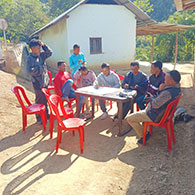
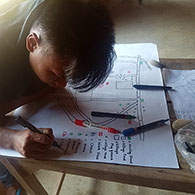
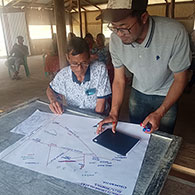
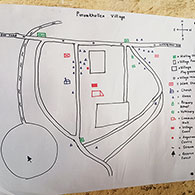
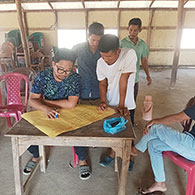
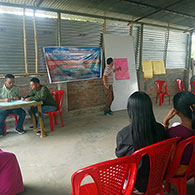
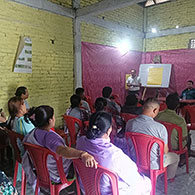
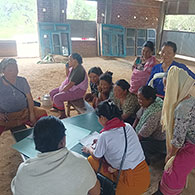
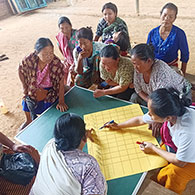
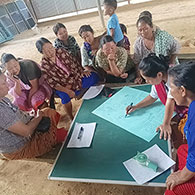
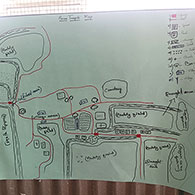
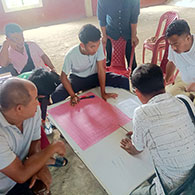
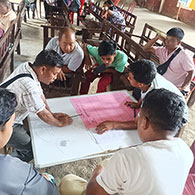
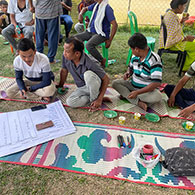
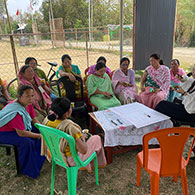
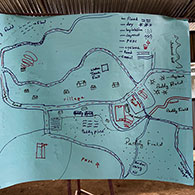
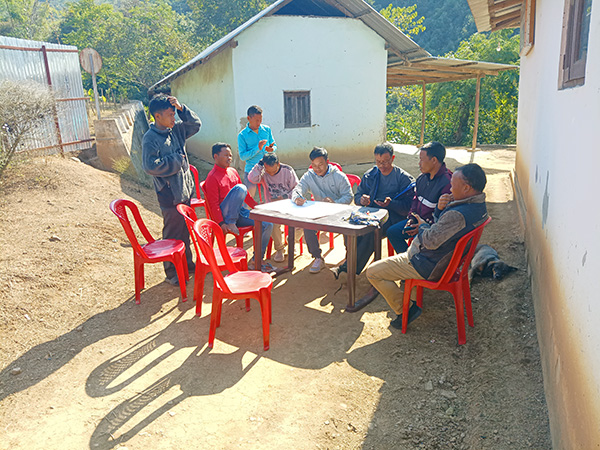
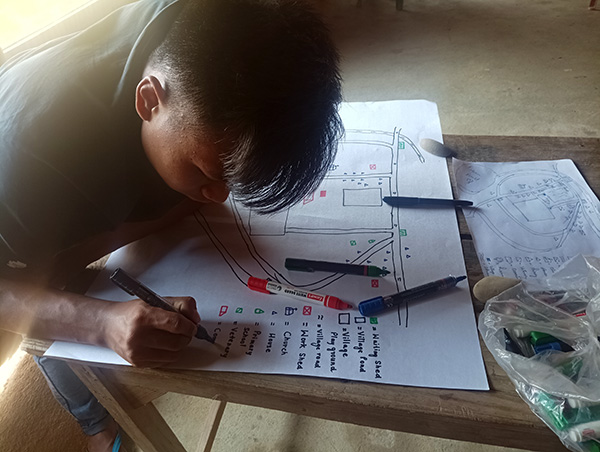
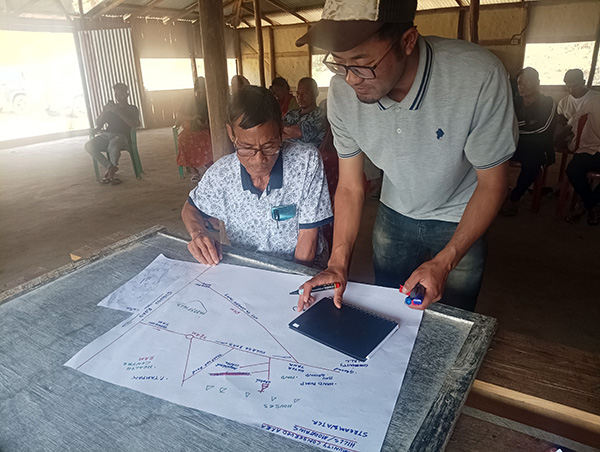
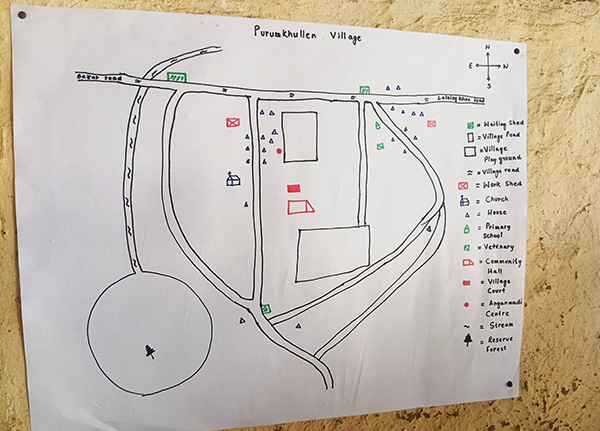
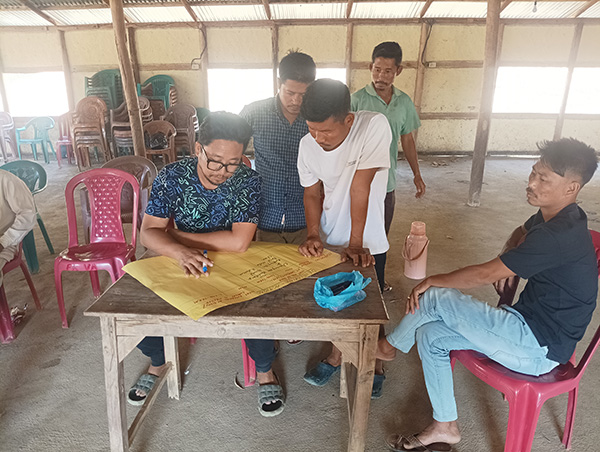
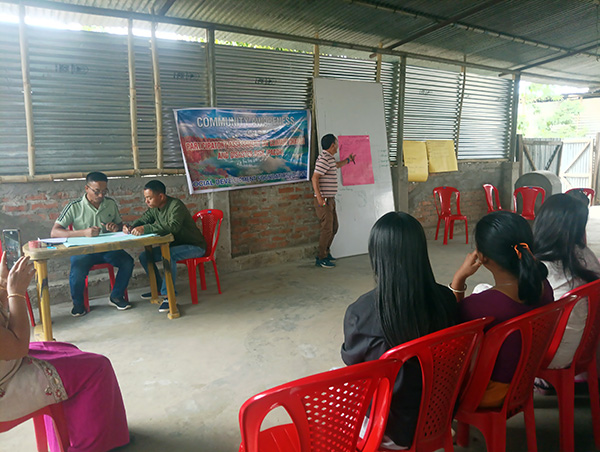
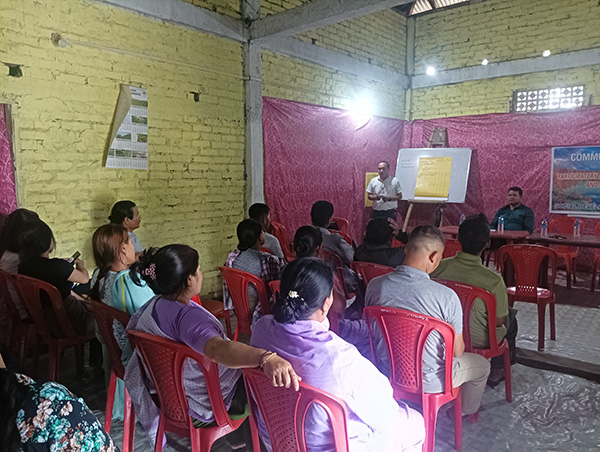
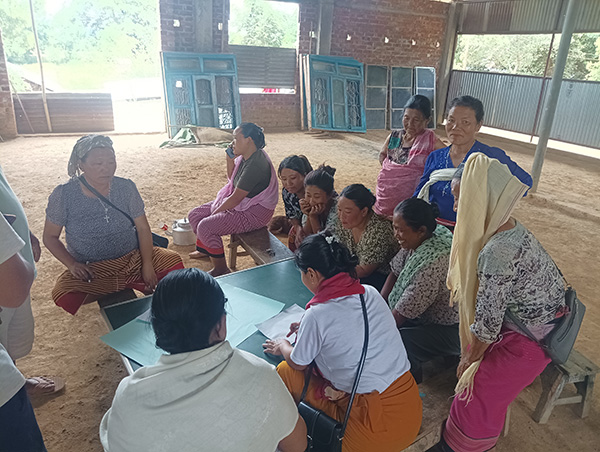
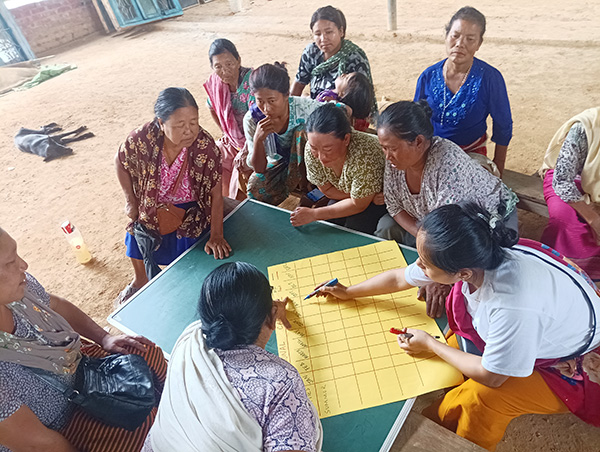

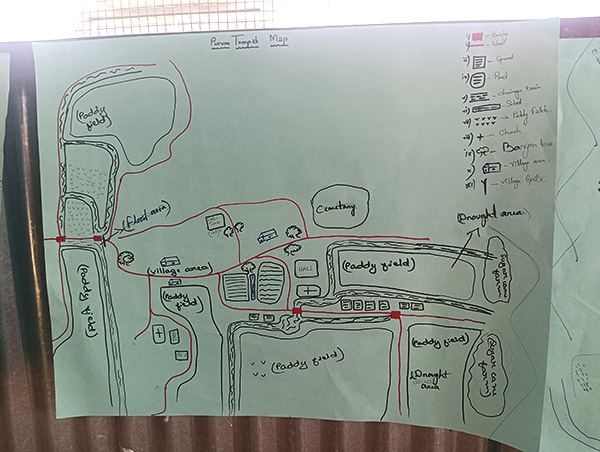
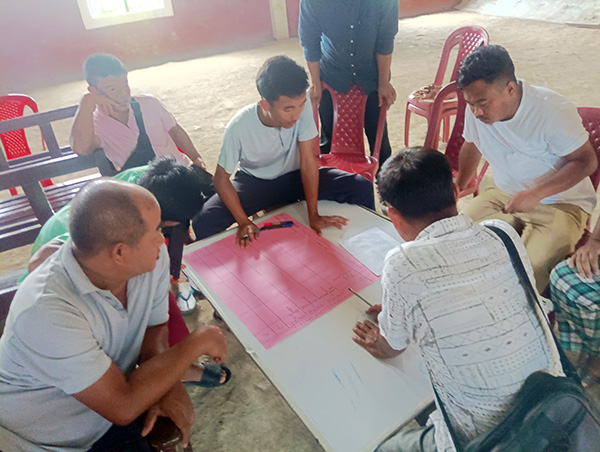
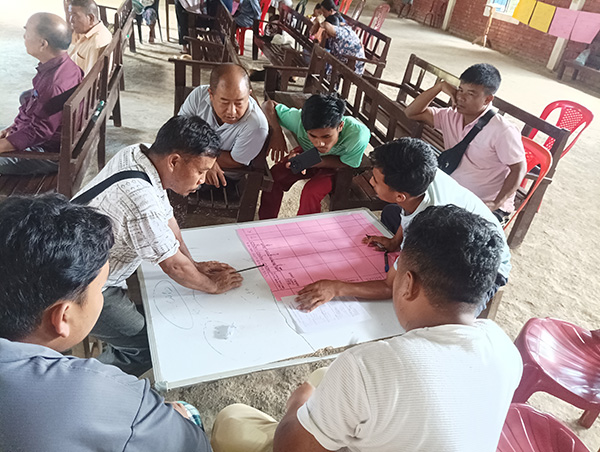
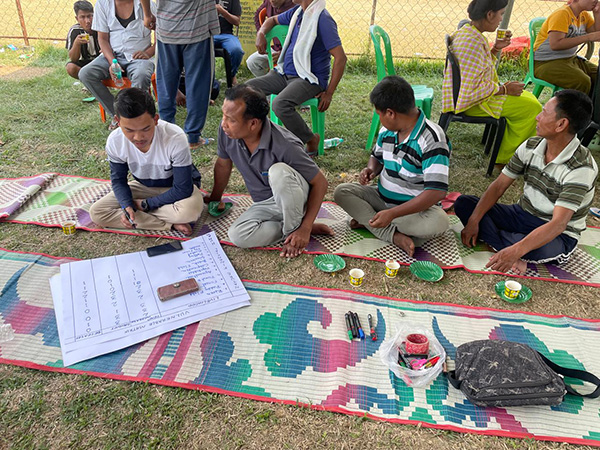
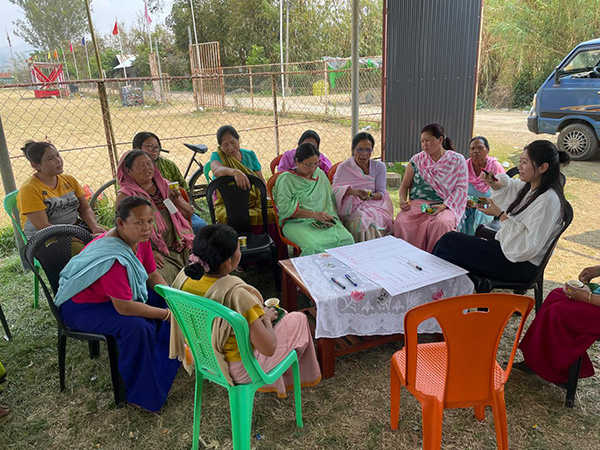
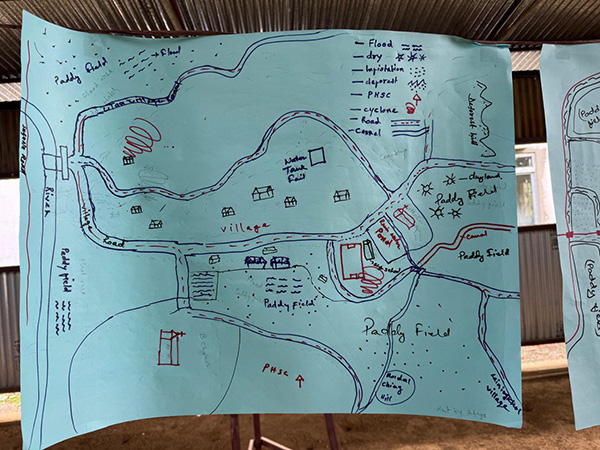
"The Participatory Assessment of Climate and Disaster Risks (PACDR)" is a community-based approach that helps rural communities understand climate change impacts, identify local disaster risks, and develop strategies to strengthen resilience. Social Development Foundation (SDF) has been actively facilitating PACDR exercises in several villages across Manipur to empower local communities to address environmental challenges and climate-related risks.
SDF conducted PACDR sessions through participatory village meetings, group discussions, and mapping exercises. The process involved the active participation of village leaders, women, youth, farmers, and elders to ensure that different perspectives and experiences were reflected in the assessment. Through these discussions, community members were encouraged to share their observations on climate changes, environmental challenges, and their impacts on livelihoods.
One of the key PACDR initiatives was conducted in Chandonpokpi Village, located in Chandel District. During the exercise, villagers identified several climate-related risks affecting their community, including irregular rainfall, soil erosion, landslides, and declining agricultural productivity. Heavy rainfall during the monsoon season often damages village roads and agricultural land, while dry periods create challenges for water availability and crop cultivation.
Through participatory tools such as hazard mapping and seasonal calendars, villagers analyzed how climate patterns have changed over time and how these changes affect their farming activities and daily lives.
Similar PACDR activities were conducted in surrounding villages in Chandel Districtand other villages underThoubal district, Kangpokpi District, Bishnupur District etc. Communities in these villages reported challenges such as flash floods, landslides, and limited access to water resources during dry seasons. Poor road connectivity during extreme weather events further increases the vulnerability of these rural communities.
The PACDR process enabled communities to collectively identify their vulnerabilities as well as their local capacities. Participants highlighted traditional knowledge related to forest conservation, soil management, and water resource protection. Women's groups also contributed significantly by sharing their experiences related to household water management, food security, and community cooperation during emergencies.
Based on the assessment, communities developed practical action plans to reduce climate and disaster risks. Key priorities identified by villagers include:
The PACDR initiatives carried out by the Social Development Foundation have helped strengthen community awareness and participation in addressing climate change and disaster risks. By enabling villagers to analyse their challenges and propose solutions, the program promotes local ownership and sustainable development.
SDF continues to work closely with communities and stakeholders to support long-term climate resilience and sustainable livelihoods in rural areas of Manipur.